


Dogs bring companionship, happiness, and energy into many households. Whether they enjoy playing outdoors, relaxing with their owners, or exploring new surroundings, they depend on people to provide the attention and care needed for a healthy life. Responsible pet ownership involves more than providing food and shelter. It also includes maintaining hygiene, supporting physical health, and recognizing changes in a dog’s behavior.
Establishing a consistent care routine can make everyday life more comfortable for pets. Simple habits such as regular exercise, proper nutrition, dental care, and coat maintenance can help prevent common problems while strengthening the relationship between dogs and their owners.
Understanding the Importance of Regular Pet Maintenance
Every dog has different needs depending on its breed, age, coat type, activity level, and general health. Some dogs require frequent attention because their coats grow continuously, while others need less intensive maintenance.
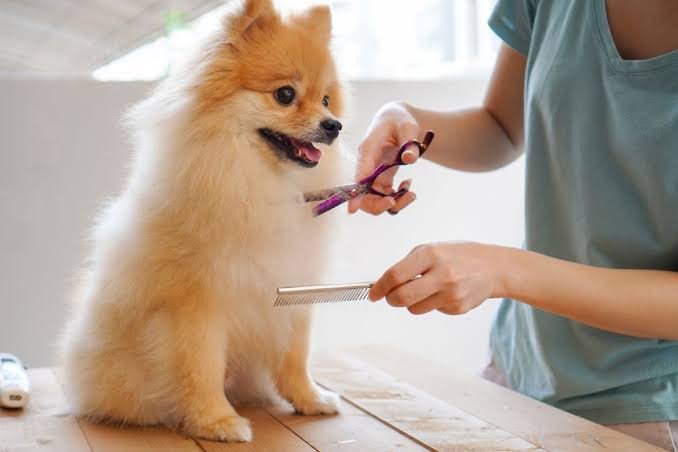
A consistent dog grooming routine helps keep a pet clean, comfortable, and presentable. It may include brushing, bathing, nail trimming, ear cleaning, and checking the skin for unusual changes.
Regular maintenance also gives owners an opportunity to notice potential health concerns. For example, unusual skin irritation, lumps, excessive shedding, or signs of discomfort may become easier to identify during routine care.
Choosing the Right Bathing Schedule
Bathing is an important part of maintaining a dog’s hygiene, but washing too frequently can remove natural oils from the skin and contribute to dryness or irritation.
The appropriate bathing schedule depends on the dog’s coat, lifestyle, and individual skin condition. Dogs that spend considerable time outdoors may need more frequent cleaning than pets that remain mostly indoors.
Owners should choose shampoos specifically formulated for dogs. Human shampoos are not always suitable because dogs have different skin characteristics.
During bathing, it is important to use comfortable water temperatures and rinse thoroughly to remove shampoo residue. Particular attention should be given to areas where dirt commonly accumulates, such as the paws and underside.
Maintaining Healthy Coats Through Regular Brushing
Brushing helps remove loose hair, dirt, and tangles while distributing natural oils throughout the coat. It can also reduce the amount of loose fur found on furniture, carpets, and clothing.
Different coat types require different brushes. Short-haired dogs may benefit from soft grooming brushes, while long-haired breeds often need specialized tools to manage tangles and prevent mats.
Owners should brush gently and avoid pulling tightly tangled hair. If severe matting develops close to the skin, professional assistance may be safer than attempting to remove it at home.
Making brushing a positive experience through patience and occasional rewards can help dogs become more comfortable with the process.
Supporting Healthy Paws and Nails
A dog’s paws experience considerable pressure during walking, running, and playing. Regularly checking them can help owners identify cuts, irritation, damaged pads, or objects trapped between the toes.
Nail maintenance is equally important. Overgrown nails can make walking uncomfortable and may affect a dog’s natural movement.
Owners who are unfamiliar with nail trimming should consider asking a veterinarian or experienced professional for guidance. Cutting nails too short can damage sensitive tissue and cause bleeding. Looking for dog groomers Greensboro, contact Vickie’s Pampered Pet.
After outdoor activities, wiping the paws can also help remove dirt and unwanted substances.
Making Dental Hygiene Part of Everyday Care
Dental health is often overlooked, even though it plays an important role in a dog’s overall well-being. Plaque accumulation can contribute to bad breath, gum irritation, and more serious dental problems.
Regular toothbrushing with dog-specific toothpaste can help maintain oral hygiene. Owners should avoid human toothpaste because some ingredients may be harmful to pets.
Dental chews and veterinarian-approved products may provide additional support, but they should not replace appropriate dental cleaning.
If a dog develops persistent bad breath, swollen gums, difficulty chewing, or unusual drooling, a veterinary examination is recommended.
Reducing Stress During Care Sessions
Some dogs naturally enjoy being brushed or bathed, while others become nervous around grooming equipment and unfamiliar handling.
Introducing new activities gradually can make the experience more comfortable. Owners can begin with short sessions, gentle handling, and positive reinforcement.
A quiet environment and familiar surroundings may also help reduce anxiety. For dogs that become extremely distressed or have special handling requirements, professional pet care services can provide additional assistance.
Building a Consistent Routine for Long-Term Well-Being
Healthy pets benefit from predictable routines. Owners should organize regular hygiene activities alongside proper feeding, exercise, veterinary checkups, and opportunities for mental stimulation.
Professional services can be particularly helpful for dogs with complicated coat requirements, difficult nail maintenance, or specific hygiene needs. Choosing an experienced provider who understands animal behavior can make appointments safer and more comfortable.
Ultimately, caring for a dog involves patience, observation, and consistency. By paying attention to everyday hygiene and physical comfort, owners can support their pets’ well-being and help them enjoy a happier, healthier life.
