


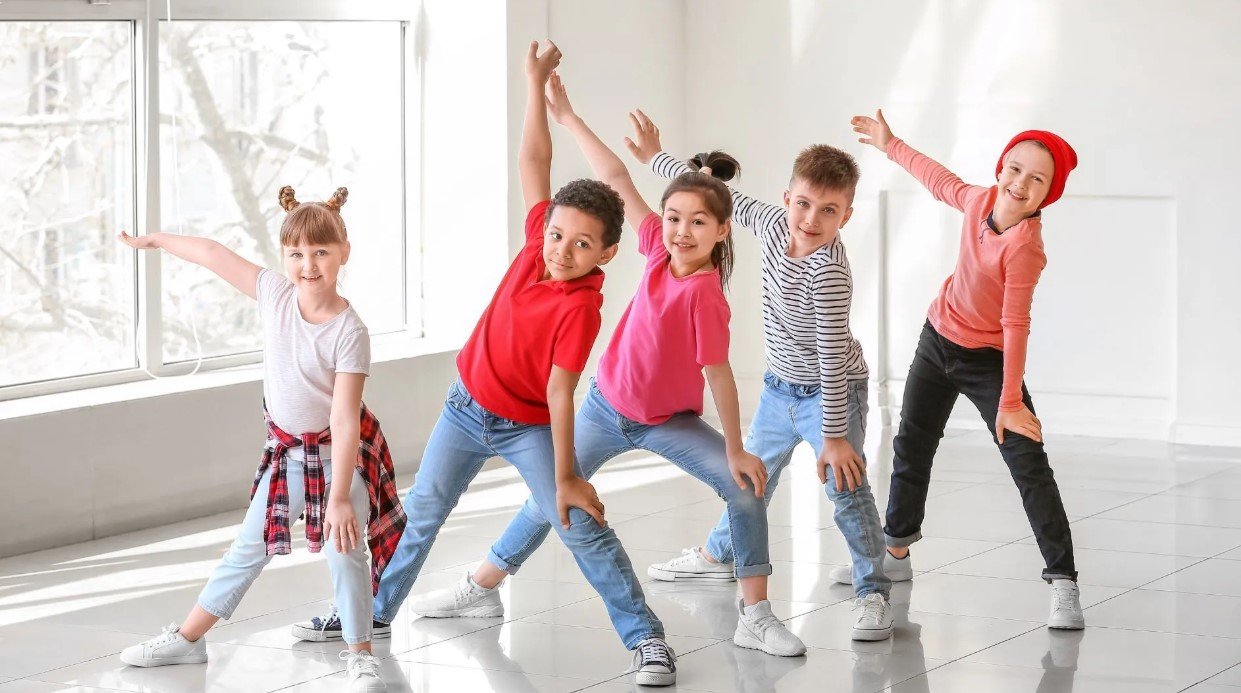
Watching a child step onto a stage, move to music, and express themselves through dance is a powerful experience. Beyond the applause and colorful costumes, children gain something far more valuable—confidence. Dance performances give kids a structured yet creative space where they learn to believe in themselves, face challenges, and grow emotionally. Understanding How Kids Dance Performance Builds Confidence helps parents, teachers, and instructors appreciate why dance is more than just an extracurricular activity.
This article explores how dance performances shape a child’s self-esteem, social skills, emotional strength, and long-term personal development.
The Connection Between Dance and Confidence in Children
Confidence does not appear overnight; it develops through repeated experiences of effort, learning, and achievement. Dance performance naturally combines all of these elements.
When children practice routines, memorize steps, and perform in front of others, they gradually overcome fear and self-doubt. Each small success reinforces the idea that they are capable. This process lies at the heart of How Kids Dance Performance Builds Confidence in a healthy and lasting way.
Building Self-Belief Through Skill Development
Learning New Skills Step by Step
Dance teaches children that improvement comes with practice. At first, movements may feel awkward or difficult. Over time, coordination improves, timing becomes clearer, and routines start to feel natural.
As children see their own progress, they begin to trust their abilities. This growing self-belief is a key example of How Kids Dance Performance Builds Confidence through consistent effort.
Turning Mistakes Into Learning Moments
Mistakes are a normal part of dance training. Forgetting a step or losing balance teaches children that errors are not failures but opportunities to learn.
This mindset helps kids become more resilient and confident, both on stage and in everyday life.
Overcoming Stage Fear and Shyness
Facing an Audience with Courage
Many children feel nervous before their first performance. Standing in front of an audience can be intimidating, especially for shy or introverted kids.
Dance performances gently push children outside their comfort zone. With guidance and encouragement, they learn to manage nerves and perform anyway. This courage is a clear demonstration of How Kids Dance Performance Builds Confidence by helping children face fears head-on.
Gaining Comfort Through Repetition
The more often children perform, the more familiar the experience becomes. Stage fright gradually turns into excitement, and confidence replaces anxiety.
These repeated positive experiences create emotional strength that benefits children long after the performance ends.
Encouraging Self-Expression and Identity
Expressing Emotions Through Movement
Dance allows children to express emotions they may struggle to put into words. Joy, excitement, calmness, and even frustration can be communicated through movement.
Being seen and appreciated for this expression helps children feel valued. This emotional validation plays a big role in How Kids Dance Performance Builds Confidence from the inside out.
Celebrating Individual Style
Every child moves differently. Dance performances highlight individuality, teaching kids that there is no single “right” way to be themselves.
When children realize their unique style is appreciated, their self-confidence naturally grows.
Social Confidence Through Group Performances
Learning Teamwork and Cooperation
Many kids’ dance performances involve group routines. Children must learn to work together, stay in formation, and support one another.
This teamwork builds social confidence and teaches children that they are an important part of a group. These lessons strongly reinforce How Kids Dance Performance Builds Confidence in social settings.
Forming Positive Peer Connections
Rehearsals and performances create shared experiences. Children bond over practice sessions, backstage moments, and post-performance celebrations.
These connections help kids feel accepted and supported, which strengthens their overall confidence.
The Role of Positive Feedback and Applause
External Validation That Motivates
Applause, smiles, and encouraging words from parents, teachers, and audiences provide powerful positive reinforcement.
While confidence should not rely solely on approval, recognition helps children feel proud of their efforts. This recognition is an important part of How Kids Dance Performance Builds Confidence during early development.
Learning to Accept Praise Gracefully
Dance performances teach children how to receive compliments and feedback. Learning to say “thank you” and feel proud without arrogance builds healthy self-esteem.
Discipline and Responsibility Build Inner Confidence
Commitment to Practice
Preparing for a performance requires discipline. Children learn to attend rehearsals, practice at home, and follow instructions.
Meeting these responsibilities successfully shows children they can commit to goals and achieve them. This internal sense of reliability supports How Kids Dance Performance Builds Confidence beyond the dance studio.
Understanding Cause and Effect
Children begin to see that effort leads to improvement. Practicing more leads to better performance, reinforcing a strong sense of control over their own success.
Confidence Beyond the Stage
Improved Communication Skills
Confident movement often translates into confident speech and body language. Children who perform dance tend to stand taller, make better eye contact, and communicate more clearly.
These skills carry into classrooms, social situations, and future opportunities, highlighting the long-term impact of How Kids Dance Performance Builds Confidence.
Better Academic and Social Participation
Confident children are more likely to raise their hands in class, participate in group activities, and try new experiences.
Dance performance helps remove the fear of being seen or judged, empowering children in many areas of life.
Supporting Children Through the Dance Performance Journey
The Role of Parents and Guardians
Parents play a crucial role by offering encouragement without pressure. Celebrating effort rather than perfection helps children feel supported.
Positive reinforcement at home strengthens the effects of How Kids Dance Performance Builds Confidence gained in class.
The Importance of Encouraging Instructors
Dance teachers who create safe, inclusive environments help children thrive. Constructive feedback, patience, and motivation make performances a positive experience.
A nurturing teaching approach ensures that confidence grows naturally and sustainably.
Addressing Performance Pressure in a Healthy Way
Keeping Expectations Age-Appropriate
Children should enjoy performing, not fear it. Age-appropriate choreography and realistic expectations help maintain joy and confidence.
When performance is framed as fun rather than competition, How Kids Dance Performance Builds Confidence without unnecessary stress.
Teaching Children That Effort Matters Most
Emphasizing participation and effort over awards teaches children that their value is not tied to winning or perfection.
This balanced perspective builds long-term emotional confidence.
Long-Term Benefits of Dance Performance Confidence
The confidence gained through dance performances often stays with children into adulthood.
Long-term benefits include:
-
Strong self-esteem
-
Emotional resilience
-
Comfort with public speaking and presentations
-
Willingness to try new challenges
-
Positive self-image
These lasting outcomes show that How Kids Dance Performance Builds Confidence is not limited to childhood—it shapes future success.
Final Thoughts
Dance performances offer children far more than choreography and applause. They provide a powerful environment for growth, self-discovery, and emotional strength. By learning skills, facing fears, expressing themselves, and connecting with others, children develop confidence that supports every area of life.
Understanding How Kids Dance Performance Builds Confidence helps adults recognize dance as a meaningful tool for personal development. When children are encouraged to step onto the stage and shine, they learn one of life’s most valuable lessons: believing in themselves.
